
OKC Lawn Rx
Fertilization questions
Practical fertilization help based on grass type, growth, color patterns, water, and recent lawn care.
A pale lawn is not an automatic fertilizer answer
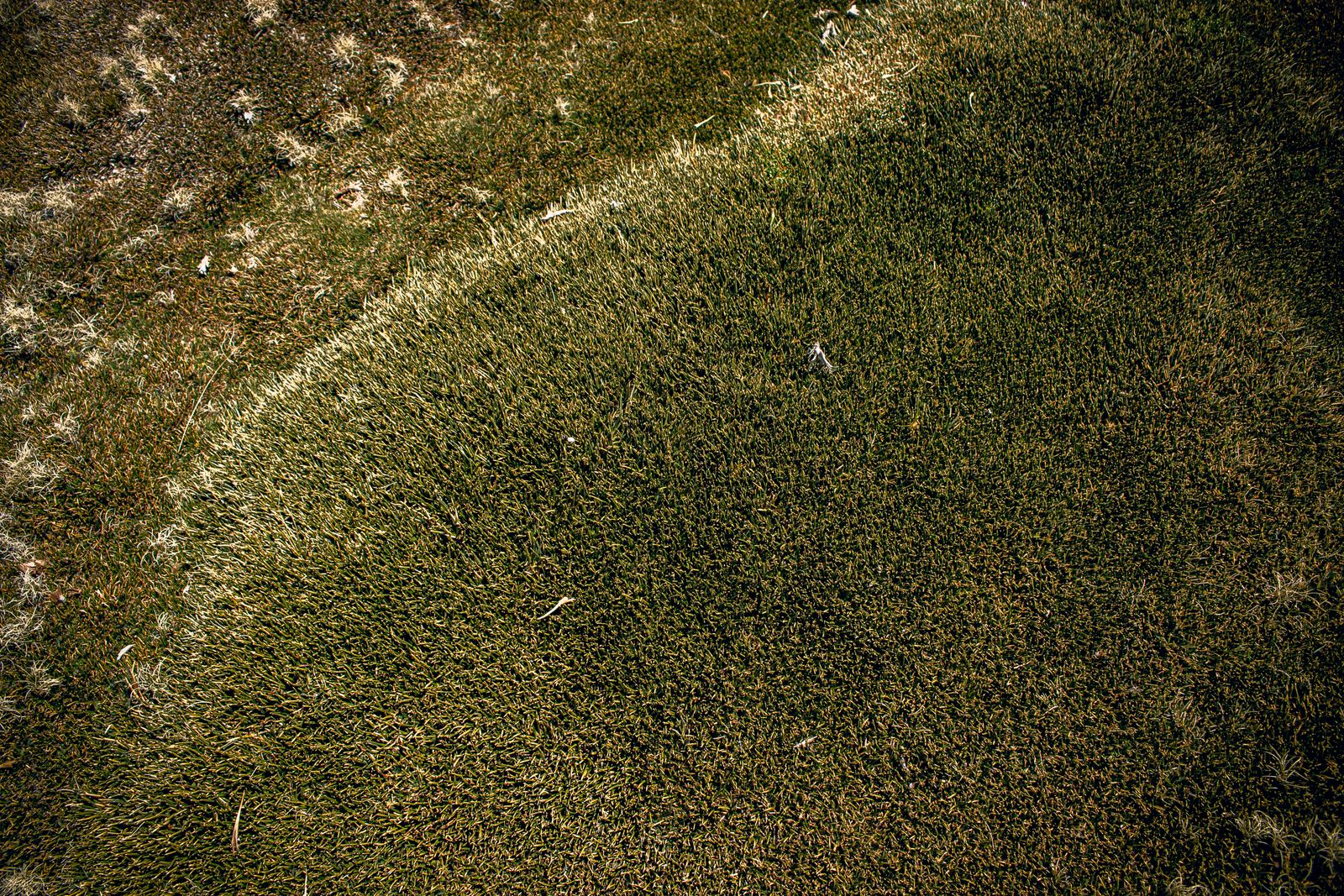
Color is one signal. Grass type, active growth, the shape of the pale area, watering, heat, and prior applications help separate a feeding question from another kind of stress.
- Bermuda
- Warm-season turf should be discussed in relation to active growth and recent weather.
- Fescue
- Cool-season turf under Oklahoma shade follows a different growth pattern.
- Pattern
- Whole-lawn fading and one isolated yellow patch do not tell the same story.
Feed the grass that is actually growing
Fertilizer can support living turf, but the right conversation starts with grass type, active growth, weather, water, and the pattern of the problem—not color alone.
Bermuda and fescue follow different cues
Bermuda is a warm-season grass that is most active after sustained warmth, especially in sunny areas. Tan winter dormancy or slow early-spring green-up is not automatically a feeding failure. The useful cue is whether the turf is actively growing and has enough water to respond without adding stress.
Fescue is a cool-season grass often kept in shaded parts of local yards. It can grow during cooler periods and struggle during Oklahoma heat. Feeding stressed fescue in a hot, dry window is a different question from supporting cool-season growth. Mixed lawns may need separate expectations for sun and shade.
A pale lawn does not automatically need fertilizer
A uniform fade across actively growing turf can raise a nutrient question, but the shape and timing of the color change matter. A sprinkler-shaped arc, a curbside strip, a shaded patch, or one compacted traffic path can point somewhere else.
- Heat: stressed or dormant turf may slow growth even when nutrients are present.
- Water: uneven coverage, runoff, or saturated clay can create pale or thin patterns.
- Compaction: hard soil can limit roots and water movement.
- Thin turf: deep shade, wear, weeds, insects, or missing grass cannot be repaired by fertilizer alone.
Use the season as context, not a promise
For Bermuda, spring green-up and steady warm-season growth are more useful signals than one fixed date. Summer feeding questions should account for heat, rainfall, irrigation, and whether the lawn is growing or merely surviving stress.
Fescue usually deserves more attention during cooler growth and recovery periods, often including fall conversations. Sudden heat, drought, heavy rain, or a recent application can shift the next sensible step. Ask what a proposed visit is meant to support rather than assuming every visit includes the same feeding.
What to share before the fertilization conversation
- Bermuda, fescue, or a mix if known, and which areas are sun or shade
- Whether the issue is whole-lawn color, one patch, a curb strip, or thin turf
- The last fertilizer, weed treatment, or soil amendment you remember, including the approximate date
- How the lawn is watered and whether coverage or runoff is uneven
- Recent heat, dry periods, standing water, traffic, construction, or mowing changes
- Any soil-test date and source, plus photos taken from consistent viewpoints
- The full service address so property fit can be checked
Common questions
Do you treat lawns up to 4 acres?
Yes—for maintained residential turf up to about 4 acres. That is larger than many local spray routes are set up to handle. Total deed acreage is not the same as treatable lawn: woods, pasture, ponds, and rough ground usually sit outside the request.
Tell us roughly how much lawn you mow and want treated, plus access notes (gates, soft ground, parked vehicles). We confirm fit from the address and the maintained area—not from acreage alone.
What helps when I ask about fertilization?
Describe the grass you have, how the lawn looks now, and which areas behave differently. If you know Bermuda, fescue, or a mix, say so. Add sun and shade, watering, drainage, recent weather stress, and the last fertilizer date you remember.
A soil test helps when you have one—include its date. Photos from the same viewpoints show color and density changes. That context decides whether feeding is the right first step.
Can lawn color alone set a fertilizer plan?
No. Pale turf can relate to nutrients, heat, water coverage, saturated soil, shade, mowing, insects, or dormancy. One green-up product cannot solve every cause.
Note whether the color change follows a sprinkler pattern, shade, curb, or one grass type. Tell us how quickly it appeared and whether growth slowed. We can decide what needs a closer look first. Keep those notes handy so we can match timing and expectations to this yard instead of guessing from a general lawn tip.
How often do local lawns get fertilized?
Frequency depends on grass type, goals, season, weather, irrigation, and how the overall weed-and-feed program is structured. Many local programs use several visits across a year, but fertilizer is not necessarily applied the same way each time.
Ask what each visit is meant to accomplish for Bermuda, fescue, or mixed turf. A useful program responds to growth and summer stress instead of a fixed calendar alone.
Bermuda vs fescue — does it matter?
Yes. Bermuda thrives in sun, greens after warmer weather, and goes tan in winter dormancy. Fescue grows in cooler periods and often holds better in some shade. Their feeding windows are not the same.
Eastern Oklahoma County yards can contain both. If you are unsure, note winter color, spring green-up, blade texture, and sun exposure. Those clues come before a seasonal program talk.
Do I need a soil test first?
Not to start the conversation. You can describe the lawn without one. A soil test helps when color or growth problems persist, history is unknown, or you want clearer nutrient and pH context.
If you have results, share the report date and source. We can say whether that test still helps or whether current lawn conditions point somewhere else first. share what you see across sun and shade so we can plan the right lawn steps.
Will fertilizer fix bare spots by itself?
Usually not when the area is truly bare. Fertilizer can support living turf around a thin area, but it cannot create sunlight, relieve heavy compaction, fix drainage, repair traffic damage, or invent grass where none remains.
Describe bare clay, sparse grass, a hot edge, deep shade, or a wet zone. Realistic improvement may need aeration, weed work, watering changes, or establishment—not feeding alone.
Local service areas
We serve homeowners across eastern and southeast Oklahoma County. Property details help us confirm whether we can take care of the lawn.
Ready to talk about your lawn? Share the property address and what you need. We’ll follow up to discuss the work.
Request lawn help